
| Published By – GD College | Reviewed By – Jasreen Raien |

Key highlights from this article
If you’re considering a career in massage therapy, one of the first questions you’re likely asking is: How long does it take to become a massage therapist in Alberta?
The answer depends on the type of training program you choose, the number of instructional hours included, and your career goals. While some programs offer shorter training paths, many employers and professional associations value comprehensive education that combines classroom learning with extensive hands-on clinical experience.
In this guide, we’ll break down how long massage therapy programs typically take in Alberta, what you’ll learn during your training, and what to look for when choosing a school.
Understanding Massage Therapy Education in Alberta
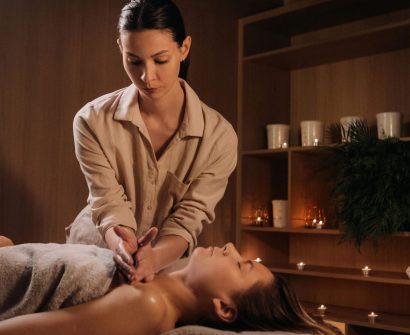
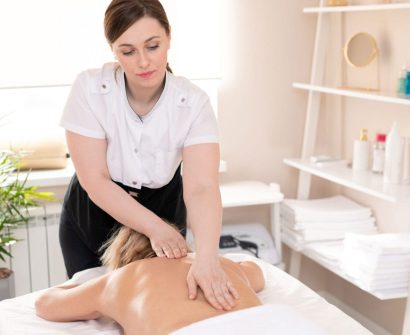
Massage therapy is a hands-on healthcare profession that requires a strong understanding of the human body, therapeutic techniques, client assessment, and professional ethics.
Unlike many short vocational courses, massage therapy programs are designed to prepare students to work confidently with real clients and a wide range of physical conditions. This means your education includes both theoretical instruction and extensive practical training.
Because of this, program lengths can vary significantly from one institution to another.
How Long Does It Typically Take to Become a Massage Therapist?
Most massage therapy programs in Alberta range from 12 months to 24 months, depending on:
- The total number of training hours
- Full-time or part-time study options
- Clinical placement requirements
- Curriculum depth
- School accreditation and standards
Many comprehensive diploma programs are structured over two academic years, allowing students to build a solid foundation in anatomy, physiology, assessment techniques, and therapeutic treatment methods.
Why Training Hours Matter
When comparing massage therapy schools, it’s important to look beyond the number of months and focus on the total training hours.
A high-quality massage therapy education typically includes:
- Classroom instruction
- Practical lab training
- Clinical experience
- Client assessments
- Treatment planning
- Professional ethics and business practices
The more hands-on experience students receive during training, the more prepared they tend to feel when entering professional practice.
What You’ll Learn During a Massage Therapy Program
A comprehensive massage therapy curriculum generally covers:
Anatomy and Physiology
Understanding how muscles, joints, bones, nerves, and body systems function is fundamental to effective treatment.
Kinesiology
Students learn how the body moves and how movement patterns affect overall health and function.
Pathology
This area focuses on understanding injuries, medical conditions, and contraindications for massage treatment.
Massage Techniques
Students develop practical skills in:
- Swedish massage
- Deep tissue techniques
- Therapeutic massage
- Trigger point therapy
- Myofascial techniques
- Relaxation treatments
Client Assessment
Learning how to evaluate a client’s condition and develop appropriate treatment plans is a critical part of professional practice.
Clinical Experience
Most reputable programs include supervised clinical practice where students work with real clients under instructor guidance.
Professional Practice
Topics often include:
- Ethics
- Client communication
- Documentation
- Business fundamentals
- Professional standards
Is a Shorter Program Better?
Many prospective students are naturally attracted to shorter programs because they appear to offer a faster route into the workforce.
However, shorter isn’t always better.
Massage therapists work directly with people’s health and physical well-being. A comprehensive education can provide:
- More hands-on practice
- Greater confidence with clients
- Stronger assessment skills
- Better understanding of anatomy and pathology
- Improved treatment outcomes
For many students, investing additional time in training leads to greater long-term career confidence and professional growth.
How Long Is the GD College Massage Therapy Program?
At GD College, the Massage Therapy Diploma Program is designed as a comprehensive training pathway that prepares students for professional practice through extensive classroom instruction, practical learning, and clinical experience.
The program consists of approximately 2 years of study and 2,400 hours of training, providing students with a strong foundation in massage therapy theory, assessment, and hands-on treatment techniques.
This balanced approach allows students to graduate with the knowledge, practical skills, and confidence needed to work in a variety of healthcare and wellness settings.
Career Opportunities After Graduation
Qualified massage therapists may pursue opportunities in:
- Massage therapy clinics
- Chiropractic offices
- Physiotherapy clinics
- Wellness centres
- Spas and resorts
- Sports therapy facilities
- Multidisciplinary healthcare clinics
- Private practice
Many therapists also choose to build their own client base and operate independently.
Ready to Start Your Massage Therapy Career?
Explore GD College’s Massage Therapy Diploma Program and discover how comprehensive training, hands-on learning, and clinical experience can help you build a strong foundation for your future in massage therapy.
Your future in massage therapy starts with the right education.