| Published By – GD College | Reviewed By – Jasreen Raien |

Key highlights from this article
The beauty industry in Canada is growing rapidly, creating exciting opportunities for aspiring makeup artists. From bridal makeup and fashion shows to film productions and beauty salons, professional makeup artists are in demand across many sectors.
If you have a passion for beauty, creativity, and helping people look their best, becoming a professional makeup artist can be a rewarding career. But how do you start?
This step-by-step guide explains how to become a professional makeup artist in Canada, including the skills you need, training options, certifications, and career opportunities.
Why Choose a Career as a Makeup Artist in Canada?
The beauty and cosmetics industry continues to expand, and skilled makeup artists are essential for many industries.
Benefits of becoming a makeup artist
- High demand in bridal, fashion, film, and beauty industries
- Flexible career options (freelance, salon, studio work)
- Creative and artistic career path
- Opportunity to build your own brand or beauty business
- Growing demand for professional makeup services
Many makeup artists also specialize in bridal makeup, editorial makeup, fashion, TV/film makeup, and special effects makeup, allowing them to work in multiple industries.
Step 1: Understand the Role of a Professional Makeup Artist
Before starting your career, it’s important to understand what professional makeup artists actually do.
A professional makeup artist:
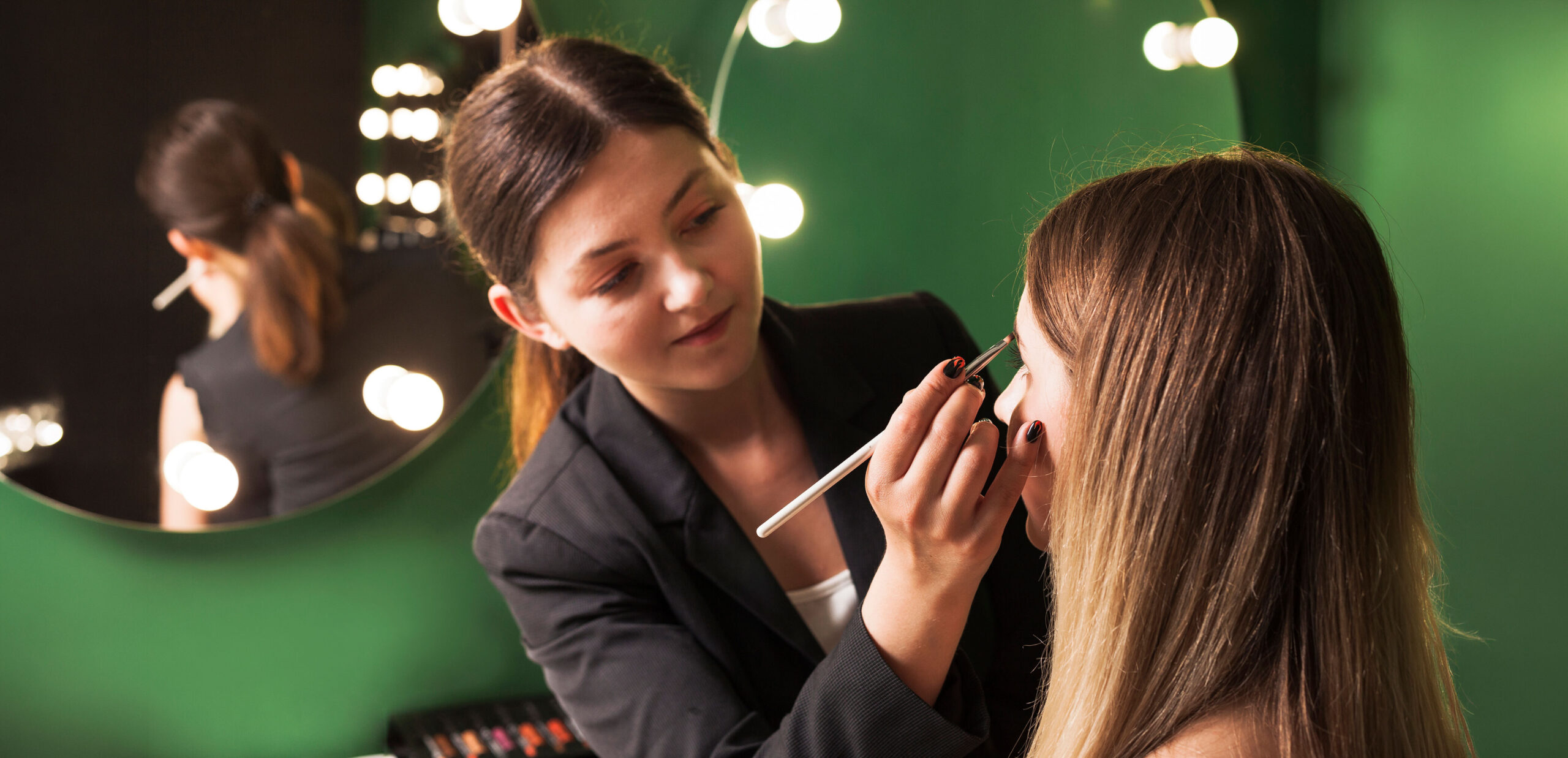
- Applies makeup for events, weddings, photoshoots, and productions
- Selects the right cosmetics based on skin tone and face structure
- Uses professional tools and products to create flawless looks
- Works closely with clients, photographers, stylists, and designers
- Maintains hygiene standards and professional makeup kits
Professional makeup artists must combine technical skills, creativity, and client communication to succeed.
Step 2: Learn the Fundamentals of Makeup Artistry
To become successful in this field, you must first master the core techniques of makeup artistry.
These include:
Skin preparation
Understanding skincare, cleansing, moisturizing, and priming the skin before makeup application.
Color theory
Learning how different shades interact with skin tones to create balanced looks.
Foundation matching
Choosing the correct shade and undertone for flawless coverage.
Face contouring and highlighting
Enhancing facial structure using light and shadow.
Eye makeup techniques
Including smokey eyes, cut crease, blending techniques, and lash application.
Brow shaping
Designing eyebrows to complement face shape.
Lip correction
Enhancing lip shape using liners and lipstick techniques.
Professional makeup training helps you practice these skills with guidance from experienced instructors.
Step 3: Enroll in a Professional Makeup Artist Course
While self-learning through online tutorials is possible, professional training provides structured learning and hands-on experience.
A professional makeup course typically teaches:
- Makeup color theory
- Skin analysis
- Foundation application techniques
- Bridal and event makeup
- Day and evening makeup looks
- Hairstyling basics
- Professional hygiene standards
- Portfolio development
Enrolling in a professional beauty school allows students to practice on real clients and build confidence.
For example, students interested in becoming professional makeup artists can enroll in the Makeup Artist & Hairstylist program at GD College, where they receive hands-on training in professional makeup techniques and hairstyling.
Step 4: Practice and Build Your Skills
Practice is one of the most important steps in becoming a professional makeup artist.
Ways to improve your skills include:
- Practicing makeup looks on friends and family
- Creating different makeup styles such as bridal, glam, natural, and editorial
- Recreating trending makeup looks
- Experimenting with different products and tools
- Learning advanced blending and contouring techniques
Consistent practice helps artists refine their techniques and develop a unique style.
Step 5: Build a Professional Makeup Portfolio
A strong portfolio is essential for attracting clients and job opportunities.
Your portfolio should include:
- Before and after photos
- Bridal makeup looks
- Natural makeup styles
- Glam and evening looks
- Creative or editorial makeup
High-quality photos are important because most clients and employers evaluate makeup artists based on their visual work.
You can showcase your portfolio on:
- Instagram
- Personal website
- Beauty platforms
- Online portfolios
Step 6: Gain Real-World Experience
Hands-on experience helps makeup artists develop confidence and build professional connections.
You can gain experience by:
- Assisting experienced makeup artists
- Working at beauty salons
- Doing makeup for weddings and events
- Collaborating with photographers for photoshoots
- Working backstage at fashion shows
These opportunities help you learn how to work under pressure and manage client expectations.
Step 7: Choose Your Makeup Specialization
As your career grows, you may choose to specialize in a particular area of makeup artistry.
Popular makeup artist career paths
Bridal Makeup Artist
Specializing in wedding makeup for brides and bridal parties.
Fashion Makeup Artist
Working with designers, photographers, and fashion magazines.
Film and Television Makeup Artist
Creating makeup looks for actors and media productions.
Freelance Makeup Artist
Running your own beauty business and serving private clients.
Salon Makeup Artist
Working in beauty salons or spas.
Specialization helps artists build authority in specific areas of the beauty industry.
Step 8: Start Your Makeup Artist Career
Once you have training and a portfolio, you can start your professional career.
Ways to get clients
- Promote your work on Instagram and TikTok
- Build a Google Business profile
- Collaborate with photographers and hairstylists
- Offer bridal packages
- Ask satisfied clients for referrals
Many makeup artists start as freelancers and gradually expand into beauty studios or full-service salons.
How Much Do Makeup Artists Earn in Canada?
Makeup artist salaries in Canada vary depending on experience, specialization, and location.
Average earnings include:
- Entry-level makeup artist: $30,000 – $40,000 per year
- Experienced makeup artist: $40,000 – $60,000 per year
- Freelance bridal makeup artist: $100 – $500 per client
Experienced artists who build strong reputations can earn significantly more through private clients and brand collaborations.
Skills Needed to Become a Successful Makeup Artist
To succeed in the beauty industry, makeup artists should develop both technical and professional skills.
Essential skills include:
- Creativity and artistic ability
- Attention to detail
- Knowledge of skin tones and color theory
- Communication and client service
- Time management
- Product knowledge
Professional training programs help students develop these skills in real-world environments.
Why Professional Makeup Training Matters
Professional training provides several advantages compared to learning independently.
Benefits include:
- Structured learning from industry experts
- Hands-on practice with professional products
- Portfolio development
- Career guidance and networking opportunities
- Certification that builds credibility
Students who enroll in professional makeup programs often gain confidence and job opportunities faster.
Start Your Makeup Artist Journey
Becoming a professional makeup artist in Canada requires creativity, dedication, and proper training.
By learning the fundamentals, enrolling in a professional course, practicing your skills, and building a strong portfolio, you can build a successful career in the beauty industry.
If you’re ready to begin your journey, explore the Makeup Artist & Hairstylist program at GD College and gain hands-on training that prepares you for a professional career in makeup artistry.
Frequently Asked Questions
Do you need a license to become a makeup artist in Canada?
In many provinces, a license is not mandatory for freelance makeup artists, but professional training from a recognized beauty school is highly recommended.
How long does it take to become a makeup artist?
Training programs typically take a few weeks to several months, depending on the course structure and level of certification.
Can you become a makeup artist without formal training?
While self-learning is possible, professional training helps you develop advanced skills, build a portfolio, and gain industry credibility.
Is makeup artistry a good career in Canada?
Yes. The beauty industry continues to grow, and skilled makeup artists are needed for weddings, fashion events, film productions, and beauty services.